

The role of Yiddish songs in Holocaust Memory culture
After the second world war, Zog nit Keynmol became a song of remembrance. Here you can read how this song, and Yiddish in general adds to Holocaust memory culture.
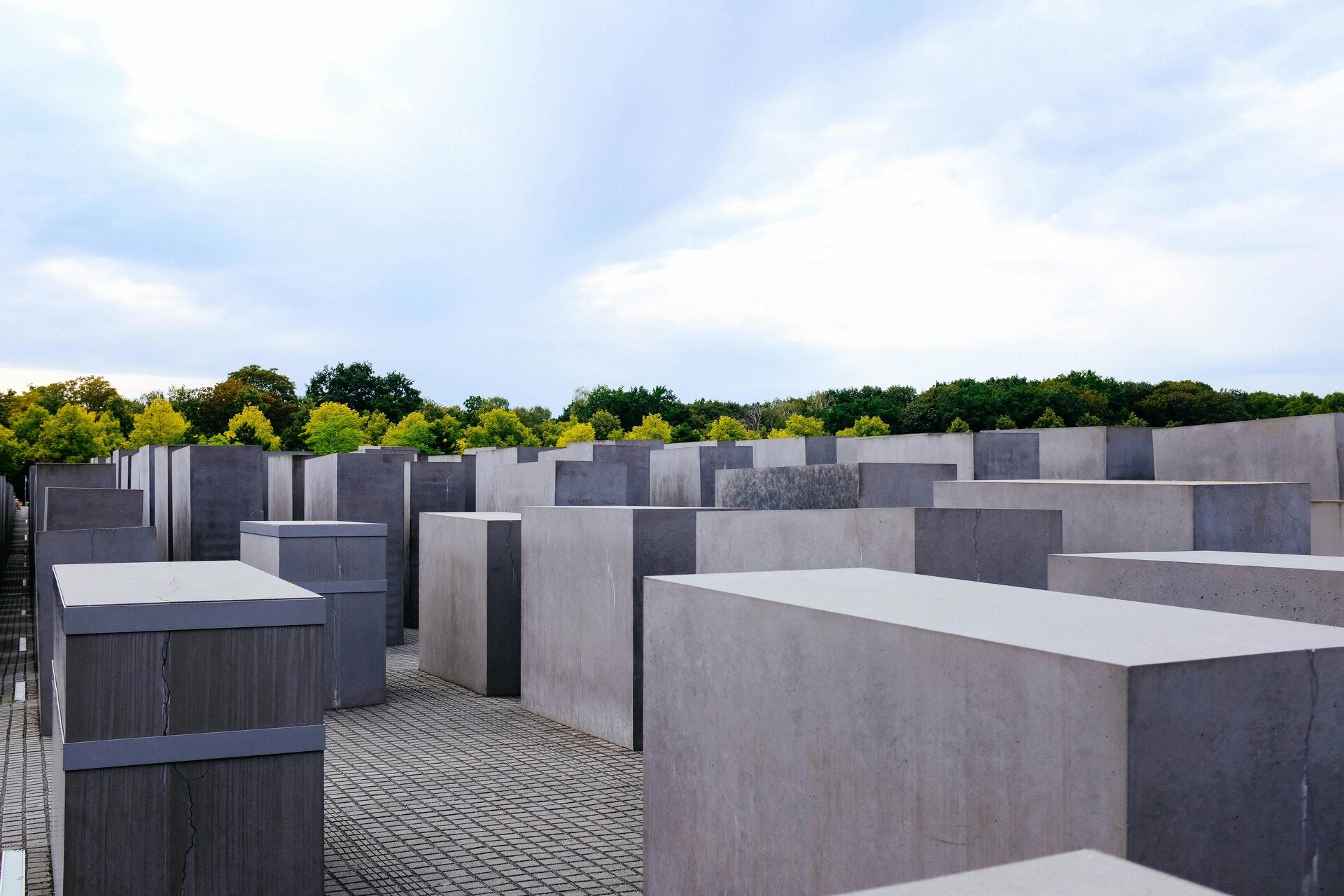
Remembrance through language
Speaking and understanding the Yiddish Language has seriously declined since the Second World War. Less than a million speakers remain compared to the more than 10 million a little less than 90 years ago. In the war, the Yiddish language played a symbolic role. It was often used as a Jewish expression to resist fascism. (Orlovsky-Schnitzler, 2022)
Keeping this in mind, the Yiddish language plays an extraordinary role in Memory culture. It can both be a symbol of the destruction of Jewish culture, and the continuity of the same culture. While the language is becoming endangered, usage of the Yiddish language creates a bond with the pre- World War past as it symbolizes the continuity of Jewish culture. Furthermore, the language symbolizes the way in which the Shoah was recorded by Jewish victims.
In this manner, the Yiddish language plays a big role in the remembrance of the Shoah.
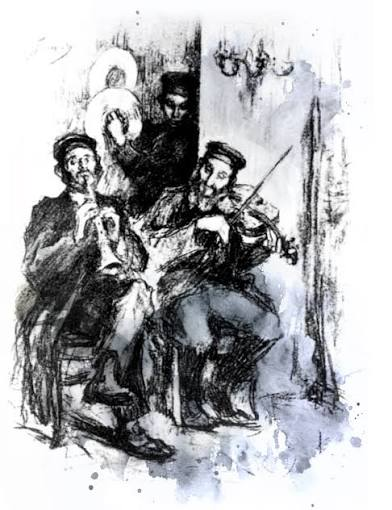
The role of song in Holocaust memory
Songs written and performed during the holocaust add to memory culture in their own specific ways. Shirli Gilbert described this really well in Buried Monuments: Yiddish Songs and Holocaust Memory. (2008) She explains that, through song, Holocaust memory can move from the emphasis on victimhood, to a portrayal of human responses on the harsh reality of a situation of such tragedy like the Shoah. In this manner, remembrance through song can incorporate lessons useful for the contemporary world. Furthermore, it is explained that songs offer a greater insight into the lives of many, than artifacts ever could. Shirli argues that song allows us to remember and focus on the diverse human-ness of the victims rather than the destruction which came with the Holocaust.(Gilbert, 2008)
In short, songs offer an unique way of remembrance, by humanizing a tragedy.
Maak jouw eigen website met JouwWeb